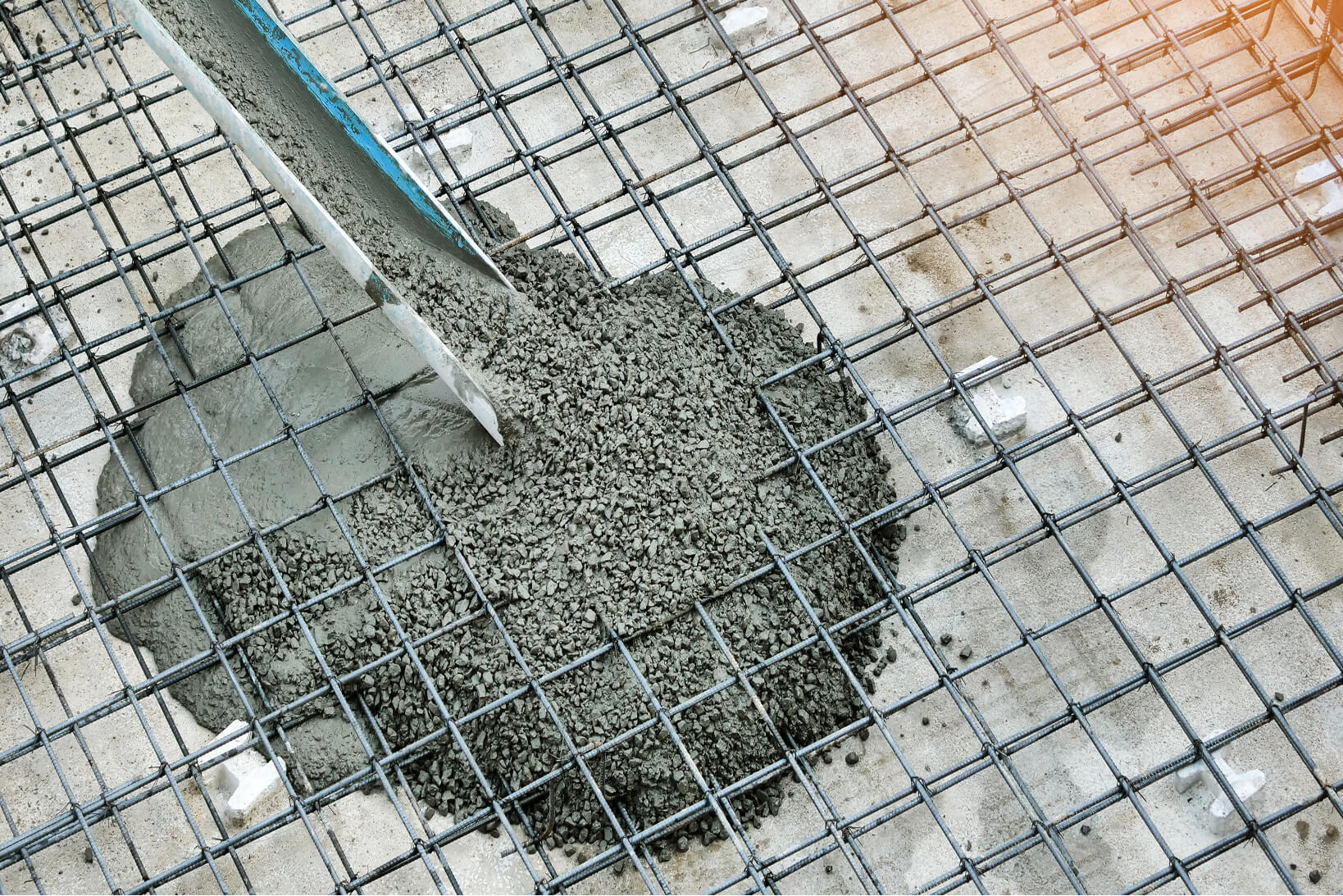
If you listen in on a handful of pre-construction meetings, you’ll notice waterproofing usually gets discussed like an afterthought. The structural engineer finalizes the concrete mix, the foundation walls get designed, the slab-on-grade gets detailed…pretty much all the major details get decided before someone finally asks: “So what are we doing about water?”
The issue is that, by then, waterproofing has already been boxed into its own scope, priced separately, and bid out to a subcontractor who never touched the concrete mix design. At Hycrete, we think that way of thinking is backwards, because we’ve seen time and time again how subpar waterproofing strategies eat away at owners’ long-term ROI.
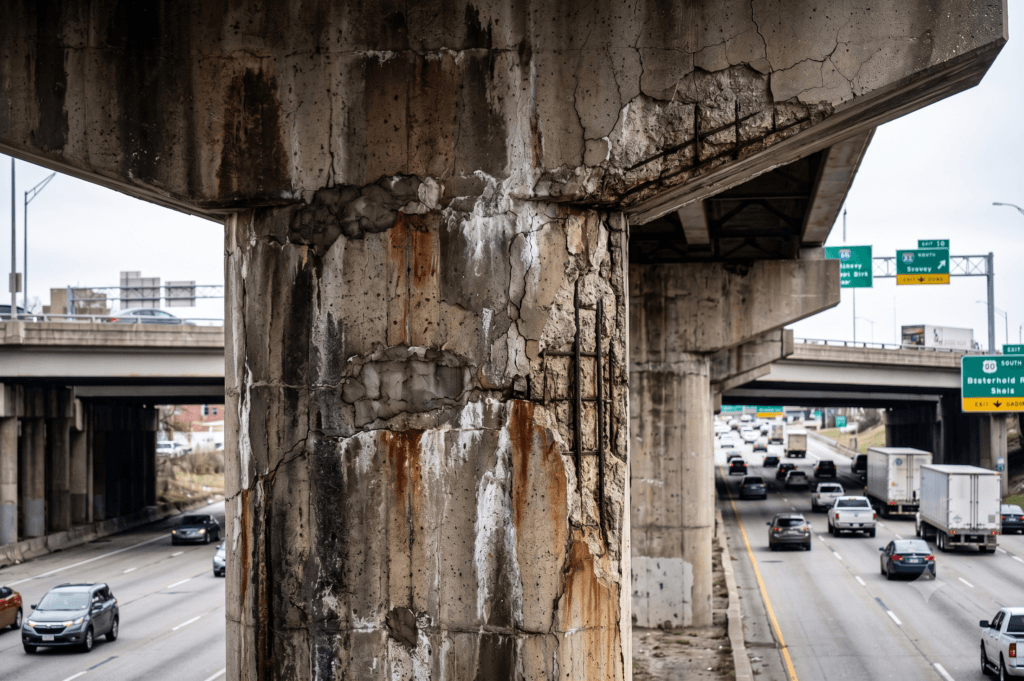
The spalling, cracking, and/or corrosion that results is the perfect visual metaphor for what the increased maintenance and repair costs are doing to your bottom line.
In short, when waterproofing is decided after the structural concrete is already specified, your project has already lost its best opportunity to solve the problem simply and permanently.
We’ll take this opportunity to delve further into the issue, specifically addressing Division 3 vs. Division 7 waterproofing specification. But if you’re an owner who has dealt with these issues, a structural engineer, or a waterproofing specialist, we may just be preaching to the choir.
The Issue with Late Waterproofing Specification
Structural specifications get written early because they drive everything else: formwork, rebar detailing, schedule logic, and cost estimating all follow from the concrete design.
Waterproofing typically gets specified once the building envelope and below-grade conditions are better understood. Unfortunately, that comes months later for a lot of projects. There’s a gap which means that the concrete mix is locked in before anyone considers whether the concrete itself should be doing part of the waterproofing work.
Integral protection changes that equation. Admixtures like Hycrete’s hydrophobic technology are added directly into the concrete mix at the batch plant, so the water-resistance decision has to be made at the same time as the mix design, not after it.
But if waterproofing stays parked in Division 7 until late in design development, integral protection never gets a fair evaluation against membranes. The structural mix is already finalized and the project defaults to wrapping it after the fact. That leaves a lot of waterproofing performance on the table, while adding a lot of extra maintenance / repair costs down the road.
Why Waterproofing Belongs in Division 3
Here’s the typical “division of labor” in waterproofing specification:
- Division 3, Concrete – Governs mix design, placement, curing, and formwork.
- Division 7, Thermal and Moisture Protection – Governs applied waterproofing membranes and coatings installed after the concrete cures.
Integral admixtures don’t fit neatly into either bucket by tradition, but functionally they belong in Division 3, because they are a property of the concrete itself, not something installed on top of it.
When integral protection sits in the structural spec, the general contractor, structural engineer, and concrete supplier are all looking at the same document and making waterproofing part of the mix design conversation from day one.
That’s a different coordination model than the Division 7 approach, where a waterproofing consultant is brought in separately, often after slab elevations and wall thicknesses are already set.
Division 3 vs Division 7 Waterproofing: A Quick Comparison Chart
| Detail | Division 3 (Structural, Integral) | Division 7 (Applied Membranes) |
| Timing of decision | Locked in at mix design, early in design development | Often finalized during construction documents or later |
| Installation | Added at the batch plant, poured with the concrete | Installed after concrete cures, separate trade sequencing |
| Schedule impact | No added installation step, no cure-and-wait window | Requires surface prep, application, cure time, and backfill protection |
| Failure points | Fewer; protection is embedded through the concrete mass | Seams, penetrations, punctures during backfill or trade damage |
| Coordination | Structural engineer and concrete supplier own it directly | Waterproofing consultant, GC, and structural engineer align separately |
| Long-term maintenance | No membrane to inspect, repair, or replace | Subject to wear, UV degradation, and mechanical damage over time |
Where Crystalline Admixtures Fit, and Where They Don’t
To be fair to the specialized waterproofing side of this conversation, not every integral solution is created equal. Crystalline admixtures are also added into the concrete mix, so they share Hycrete’s scheduling advantage over membranes.
But crystalline technology is hydrophilic. It uses water that has already entered the concrete to grow crystals inside pores and capillaries, meaning it reacts after moisture starts penetrating rather than preventing entry in the first place.
Learn more: Hycrete vs. Crystalline Growth
Independent lab testing has repeatedly shown crystalline systems don’t achieve the same reduction in water absorption as hydrophobic admixtures, and they offer limited protection against corrosion of embedded steel, since they aren’t designed to block moisture from reaching rebar.
Hycrete’s hydrophobic admixture works differently. It fills the concrete’s natural capillary network with water-repelling copolymer, keeping water absorption below 1 percent, and it simultaneously forms a corrosion-inhibiting layer around reinforcing steel. It’s a proactive barrier, not a reactive one, so the concrete is protected against water and corrosion from the moment it cures, without depending on a future leak to trigger performance.
The Cost and Performance Case for Moving It Up
When integral protection is specified structurally instead of chased down later as a Division 7 line item, projects typically realize three huge benefits in our experience:
- A shortened schedule, since there’s no membrane installation, curing window, or backfill protection sequence to manage.
- Fewer failure points because there are no seams, laps, or penetrations for water to find.
- Real cost savings that compound over the life of the structure. Hycrete generally runs 20 to 30 percent less than an installed membrane system once labor and material are both accounted for. That gap only tends to widen over the life of the structure, since there’s no membrane to inspect, patch, or eventually replace.
A Small Shift in Waterproofing Specification Can Make a Huge Difference
None of this is an argument against waterproofing expertise. Specialized waterproofing consultants bring critical judgment on detailing, transitions, and edge conditions that structural engineers may not focus on daily.
The point is timing, not turf. If integral protection is on the table, it makes the most sense to evaluate it at the same moment the structural mix is being decided, not months later once the concrete is already locked in.
Move the decision into Division 3, where the concrete mix is actually determined, and every later conversation about cost, schedule, and long-term performance gets easier. That’s the case for treating waterproof concrete as a structural property rather than an afterthought.
Ready to talk about waterproofing specifications, or the specifics of your project? We’re happy to offer a free project review and delve into the details.