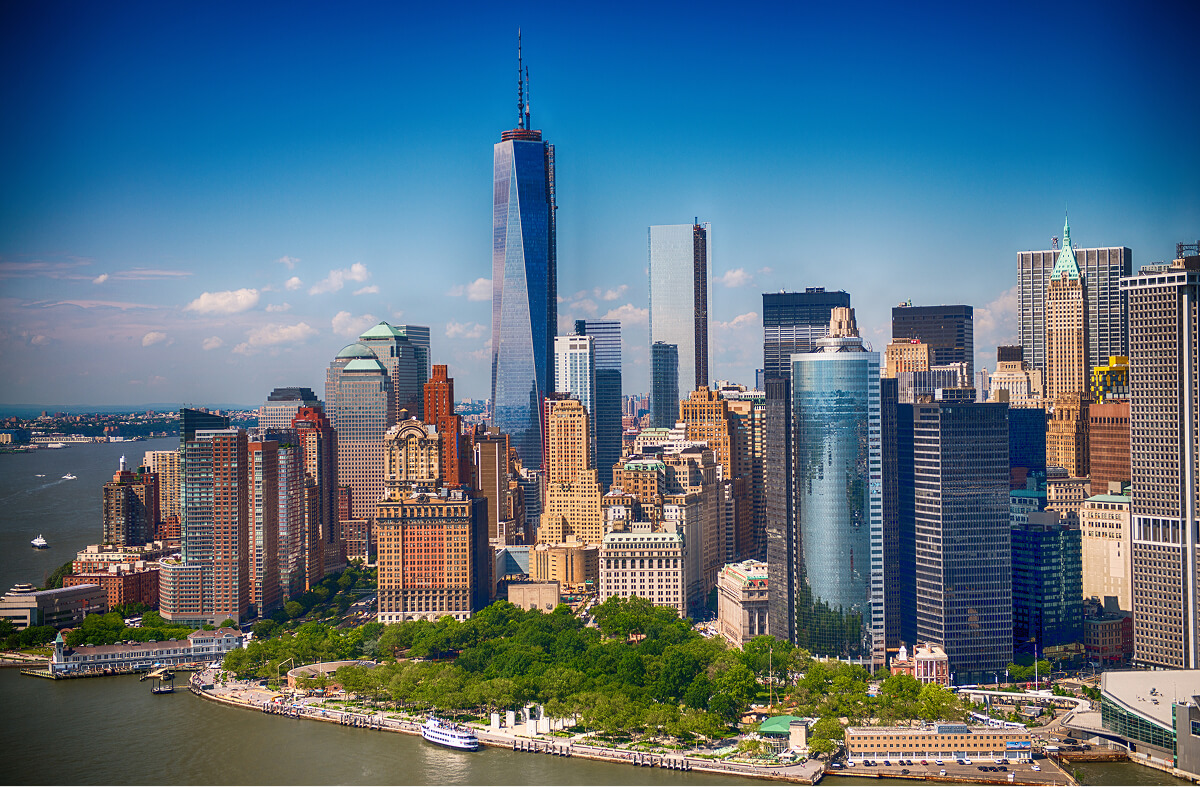
For New York builders, we don’t need to tell you that integral water management strategies are no longer reserved for waterfront projects. Today, concrete waterproofing is a critical specification for any new construction that aims to achieve long-term ROI, especially in regions with a high water table.
From dense urban excavation in New York City to coastal development on Long Island and high-groundwater conditions across many parts of the state, below-grade concrete must be designed to withstand persistent moisture, hydrostatic pressure, and the long-term corrosion risks that follow.
High-Cost Construction While Combating High Water Tables
The way we see it: the higher-cost the construction, the greater the need for reliable waterproofing that lasts. That’s how you achieve reliable ROI while removing the risk of future damage, degradation, and the high-cost maintenance that comes with it.
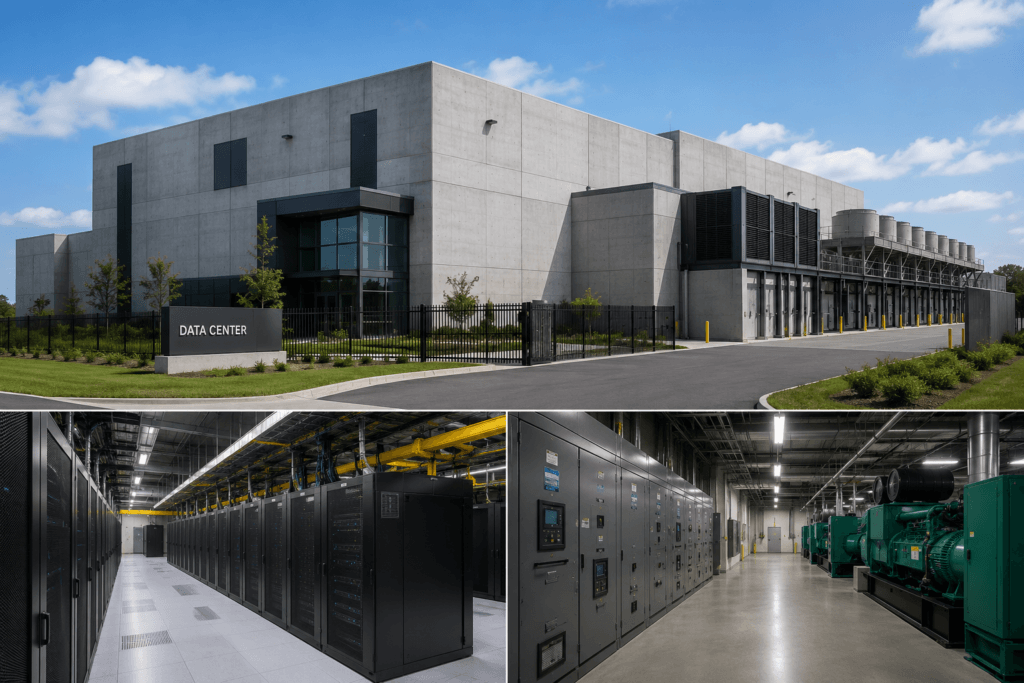
The stakes are especially high on expensive, complex projects: multifamily towers, hospitals, transit-oriented developments, data centers, parking structures, mixed-use buildings, and other assets with deep foundations or valuable below-grade space.
When water reaches reinforcing steel, the repair costs can easily spiral out of control. Moreover, that can mean disruption, difficult access, premature deterioration, and a lower lifetime return on a major capital investment.
New York’s Water Challenge for Builders
New York’s construction environment presents a mix of groundwater, coastal exposure, aging urban infrastructure, freeze-thaw cycles, and more intense precipitation events. In New York City, for example, excavations can encounter complicated subsurface conditions, while coastal and low-lying sites must contend with flooding and tidal influences in addition to ordinary groundwater.
The regulatory environment is also moving toward more conservative flood-resilience planning. New York’s updated flood framework expands consideration beyond traditional 100-year floodplain mapping to include 500-year flood zones and sea-level-rise factors, potentially bringing more sites into the scope of flood-related analysis and design requirements.
For builders, that makes an upfront question more important than ever: Will the concrete itself remain durable when water is constantly trying to enter it?
High Water Tables Create Extra Pressure
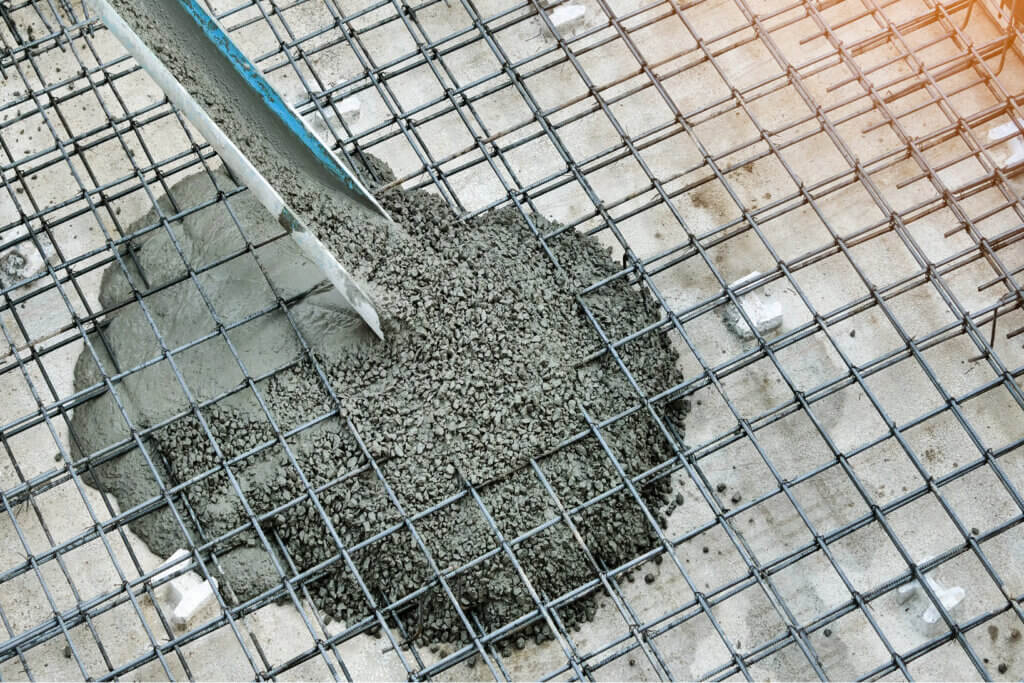
Concrete is strong, but it is not naturally impermeable. Its network of pores and capillaries can allow moisture migration, particularly over the decades-long service life expected of commercial and institutional structures.
At high-water-table sites, groundwater applies hydrostatic pressure to below-grade foundation walls, slabs, elevator pits, parking levels, and other structural elements. Any water intrusion begins to contribute to conditions that support reinforcing-steel corrosion.
Learn more in our previous blog: Is Waterproof Concrete Truly Possible?
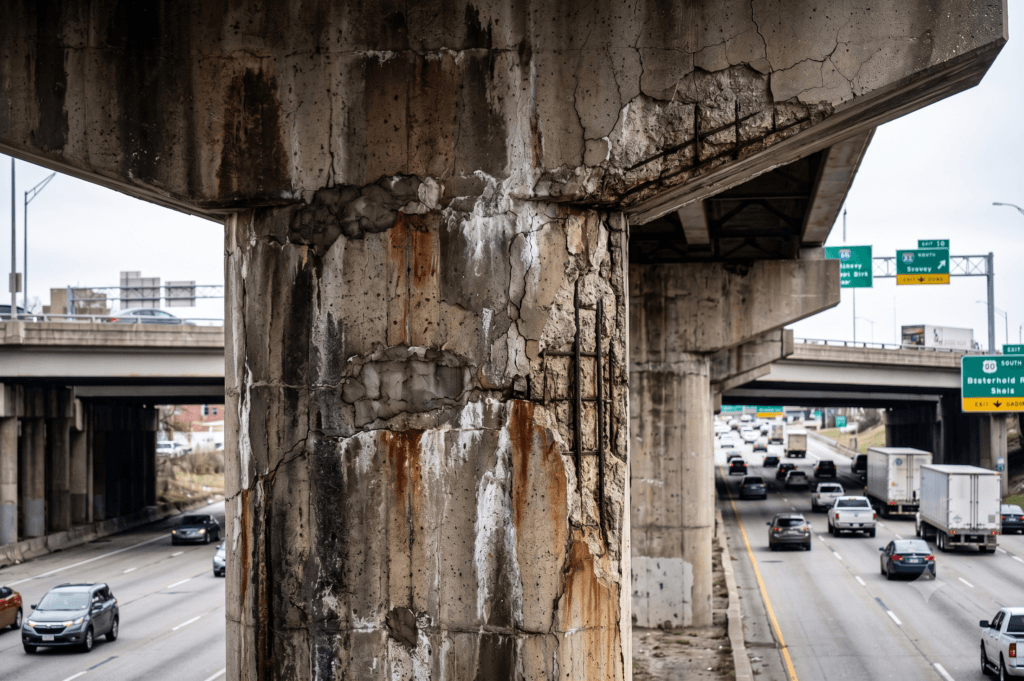
What’s important to keep in mind is that once corrosion begins, steel expansion can crack and spall surrounding concrete. The result is a compounding durability issue: water creates the pathway, corrosion accelerates the damage, and repairs become more complicated after the structure is occupied.
Specifying Waterproof Protection in the Mix
Conventional waterproofing approaches often rely on exterior membranes. While membranes can be appropriate in a properly designed system, they can introduce installation dependencies, vulnerable seams, puncture risks, and challenges where access is limited after construction. Our Hycrete vs. Membranes page has a more detailed breakdown.
For New York projects where reliable below-grade performance matters, builders should consider specifying integral concrete protection, not just a surface-applied barrier. Hycrete is a single-component, dual-action hydrophobic admixture engineered to protect concrete from within, including below-grade applications beneath the water table.
Rather than depending on a separate layer outside the concrete, Hycrete forms a co-polymer throughout the concrete matrix, filling pores and capillaries to reduce water absorption and permeability. At the same time, it reacts with metallic ions in the concrete and reinforcing steel to create an internal corrosion-inhibiting barrier around the rebar.
That dual-action approach matters because a truly durable below-grade structure needs to address both sides of the problem:
- Waterproofing: Virtually eliminate water movement through concrete pores and capillaries.
- Corrosion protection: Help protect reinforcing steel from the long-term effects of moisture exposure.
A Concrete Specification Checklist for New York Builders
Every project needs site-specific engineering, but builders and design teams should evaluate these parameters early, before concrete is placed and before below-grade work becomes difficult to revise:
- Groundwater data: Review geotechnical reports, seasonal groundwater conditions, perched water, dewatering requirements, and anticipated hydrostatic pressure.
- Flood exposure: Check current FEMA mapping, local requirements, and whether updated New York flood-resilience provisions affect the site or finished-floor elevations.
- Below-grade scope: Identify all concrete elements exposed to water, including foundation walls, mat slabs, pile caps, elevator pits, parking decks, utility vaults, and retaining structures.
- Reinforcement durability: Treat corrosion protection as a structural-life-cycle issue, not merely a maintenance concern.
- Joint and penetration detailing: Integral concrete protection should be paired with appropriate treatment of construction joints, expansion joints, penetrations, and other discontinuities.
- Quality assurance: Confirm mix-design review, placement practices, and clear responsibilities for waterproofing details before mobilization.
Waterproof Concrete Protects Your ROI
For a modest, low-consequence structure, the least expensive initial waterproofing option may be adequate, depending on your long-term ROI goals. But for a high-value New York build, the decision absolutely should be evaluated over the building’s entire useful life.
Water intrusion and rebar corrosion can turn relatively small early savings into large future costs. That only becomes more true when repairs require excavation, tenant disruption, removal of finishes, structural repair, or restricted access in a dense urban setting. A more durable concrete system helps protect the asset itself, preserve usable below-grade space, and reduce exposure to costly remediation.
Hycrete is typically 20% to 30% less expensive than an installed membrane, while also reducing the steps and material dependencies associated with external waterproofing applications. More importantly, integral hydrophobic and corrosion-inhibiting protection is designed to remain in the concrete for the life of the structure, supporting a stronger long-term ROI where durability failures would be expensive to correct.
Interested in calculating the potential ROI for your project? Check out the Hycrete Carbon Reduction Calculator for an estimate on cost and material savings
Build for New York Conditions
New York builders are designing in an environment where groundwater, flood resilience, and long-term asset performance are increasingly interconnected. A foundation system should not merely meet today’s minimum expectation for water resistance; it should help protect the building against the conditions it is likely to experience for decades.
For projects exposed to high water tables, hydrostatic pressure, or elevated corrosion risk, specify concrete protection that works from within. Hycrete provides scientifically tested, dual-action waterproofing and corrosion protection that helps builders create more durable structures, simplify construction, and protect the long-term value of their investment.