When you’re evaluating construction materials and building methods with an eye toward long-term ROI, the upfront price is obviously only the beginning of the story. For owners, developers, and engineers working on long-term assets, the smarter thing to focus on is: How much will this aspect actually cost me over the total life of ownership?
That consideration may seem obvious, but it’s often easier said than done. No doubt it can be very tempting to save costs on materials right now when it otherwise won’t really benefit your bottom line for 10+ years. However, those are exactly the timelines you need to keep in mind to make money while minimizing headaches in today’s built environment.
It’s why Hycrete often helps customers with life-cycle cost analysis (LCCA): laying out your project timeline and future development plans up front has become a prerequisite for accurate budgeting, forecasting, and maximizing ROI.
As a preliminary step, our Embodied Carbon Reduction Calculator gives you a base estimate on the cost savings your specific project can see with Hycrete waterproofing admixtures, along with estimates in carbon reduction and lifecycle extension. If you want to dive deeper into an analysis of your specific project, don’t hesitate to reach out for a Comprehensive Project Review from our planning and material experts.
Integral Concrete Waterproofing = Better ROI
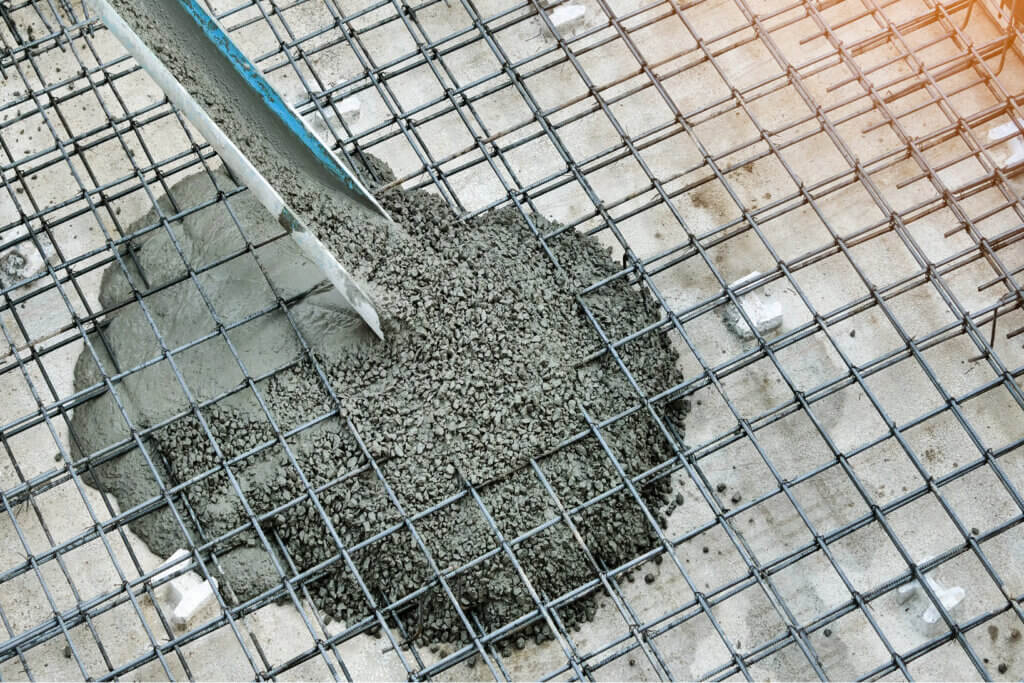
When it comes to concrete waterproofing, the data consistently tells the same story: integral waterproofing solutions deliver a significantly better return over 30 to 50 years compared to conventional surface-applied membranes.
Performing a thorough LCCA of your project will tell you just how much better your ROI will be.
What Is Life-Cycle Cost Analysis?
LCCA is a structured methodology for evaluating the total cost of ownership for a building system or material over its projected service life. Rather than comparing upfront costs alone, LCCA accounts for initial installation, scheduled maintenance, repair and remediation costs, downtime or disruption, and end-of-life replacement expenses.
The formula is straightforward in concept: Total Life-Cycle Cost = Initial Cost + Present Value of Future Maintenance and Repair Costs. When you run those numbers out to a 30 to 50-year horizon, small differences in material performance usually translate into big financial implications.
For new construction projects, LCCA is particularly valuable because decisions made at the design stage lock in performance trajectories that are expensive or nearly impossible to reverse later. Choosing the right waterproofing system during construction is far less costly than remediating a failed one in year 15.
New Construction Is the Best Opportunity for Maximizing ROI
New construction offers project teams the opportunity to design for durability from the ground up. Once a structure is built and occupied, access to below-grade systems becomes limited, remediation is disruptive, and costs escalate dramatically.
Consider a typical below-grade concrete structure. A surface-applied waterproofing membrane applied during construction may carry an attractive initial price point. As we’ve discussed, membranes are susceptible to puncture during backfill, hydrostatic pressure over time, and degradation at seams and penetrations.
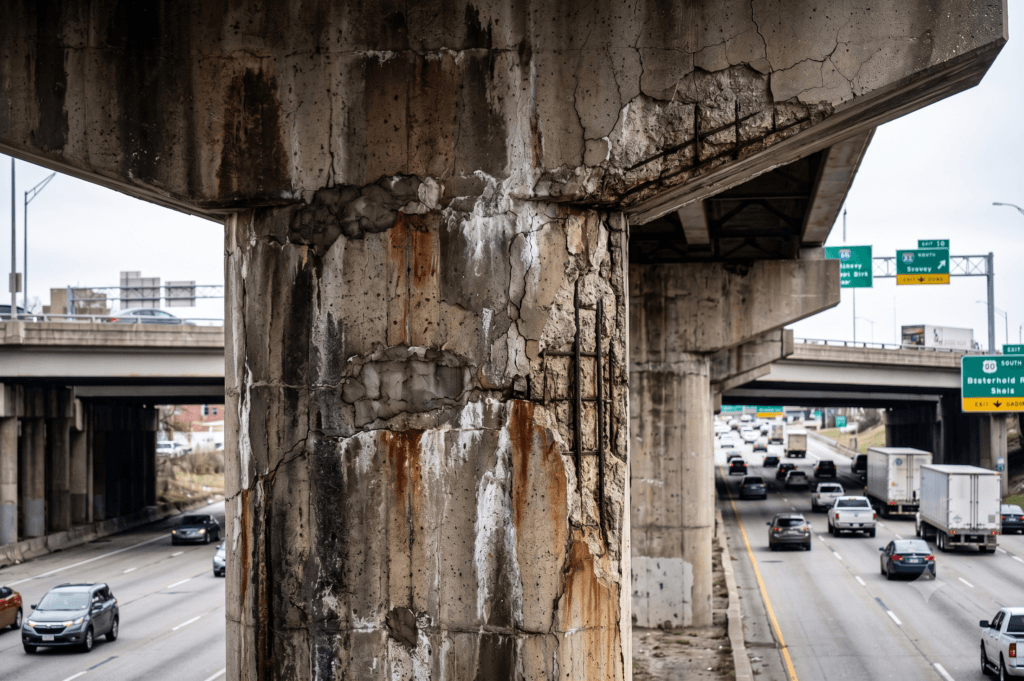
It’s not uncommon for membrane systems to require significant maintenance or partial replacement within 15 to 25 years. When you factor in the cost of excavation, labor, and lost operational time, those “savings” at the bid stage evaporate quickly.
Learn more about the advantages of Hycrete vs. Membranes.
Data Centers: A Case Study in Long-Term Cost Thinking
Few asset classes illustrate the value of LCCA more clearly than data centers. These facilities represent massive capital investments with extreme sensitivity to moisture intrusion. A single leak event can damage servers, trigger downtime, and generate liability costs that dwarf the entire original waterproofing budget.
Data center owners and developers are also increasingly focused on total cost of ownership as a core financial metric. With design lifespans of 25 to 40 years or more, every material decision gets stress-tested against long-term performance expectations. Facility managers simply cannot afford to budget for repeated membrane excavation and replacement cycles while simultaneously maintaining 99.999% uptime commitments.
Hycrete’s integral waterproofing technology addresses this directly. By treating the concrete itself as the waterproofing barrier, project teams eliminate the vulnerabilities associated with applied systems. The concrete becomes denser, less permeable, and more resistant to the conditions that cause long-term moisture problems. For data center operators planning for multi-decade service lives, that reliability has direct financial value that shows up clearly in any rigorous LCCA model.
For more info specific to these projects, see the Hycrete Data Center Brochure.
Building the Foundation of Your Project’s Success with LCCA
The most effective time to introduce LCCA into a project conversation is during early design development, before waterproofing specifications are locked in. At that stage, engineers still have full flexibility to evaluate system options, and owners can make decisions based on total value rather than line-item bid comparisons.
Hycrete works directly with project teams to support that analysis. We provide technical documentation, comparative performance data, and guidance on how to structure the LCCA model for specific project types. We want to help you go into your project with a much clearer path toward increasing your long-term ROI.